What Are You Building From?


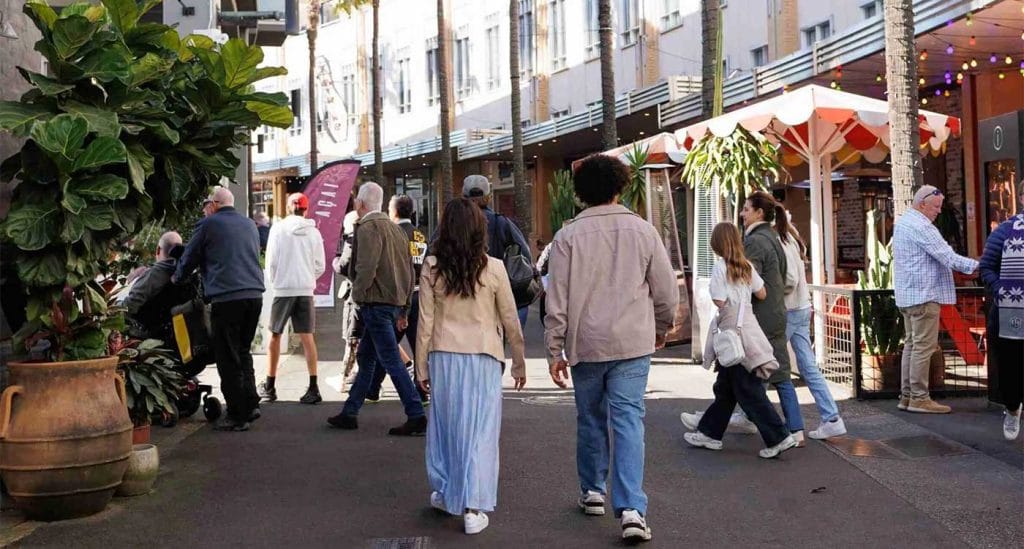
On Sunday morning, I went with my sister to the grand opening of a new business at the Entertainment Quarter in Moore Park. The woman behind it had left corporate life and decided to begin again, this time by creating something of her own. She had opened a dog grooming salon, my sister had recently started working with her, and we went along to support the opening and spend a couple of hours there. It was still early in the day, people were coming through the doors, and there was that particular sense of excitement that surrounds something new. You could see the finished space, but behind it were all the decisions that had brought someone to this point. At some stage, she had decided that the life she knew was no longer the life she wanted to continue living, and she had been willing to take the risk of finding out what might exist on the other side.
There is something interesting about witnessing the beginning of somebody else's new chapter. We tend to celebrate these moments once they become visible. We see the new business, the career change, the launch or the announcement, but we rarely see everything that happened before it. There would have been questions about whether leaving corporate life was sensible, whether the idea would work, whether customers would come and whether taking the risk would eventually prove worthwhile. These are the parts of beginning something new that cannot really be captured in a photograph from opening day.
We live in a time when starting again is constantly encouraged. Leave the job. Start the business. Change careers. Back yourself. Build the thing. Follow the dream. Social media gives us an almost endless collection of people who appear to have done exactly that, often presented to us once uncertainty has been transformed into a success story. Someone leaves their job, follows an idea and eventually tells us how it changed their life. Standing at that opening on Sunday, though, I found myself thinking less about whether this new business would become successful and more about what makes someone decide to begin in the first place.
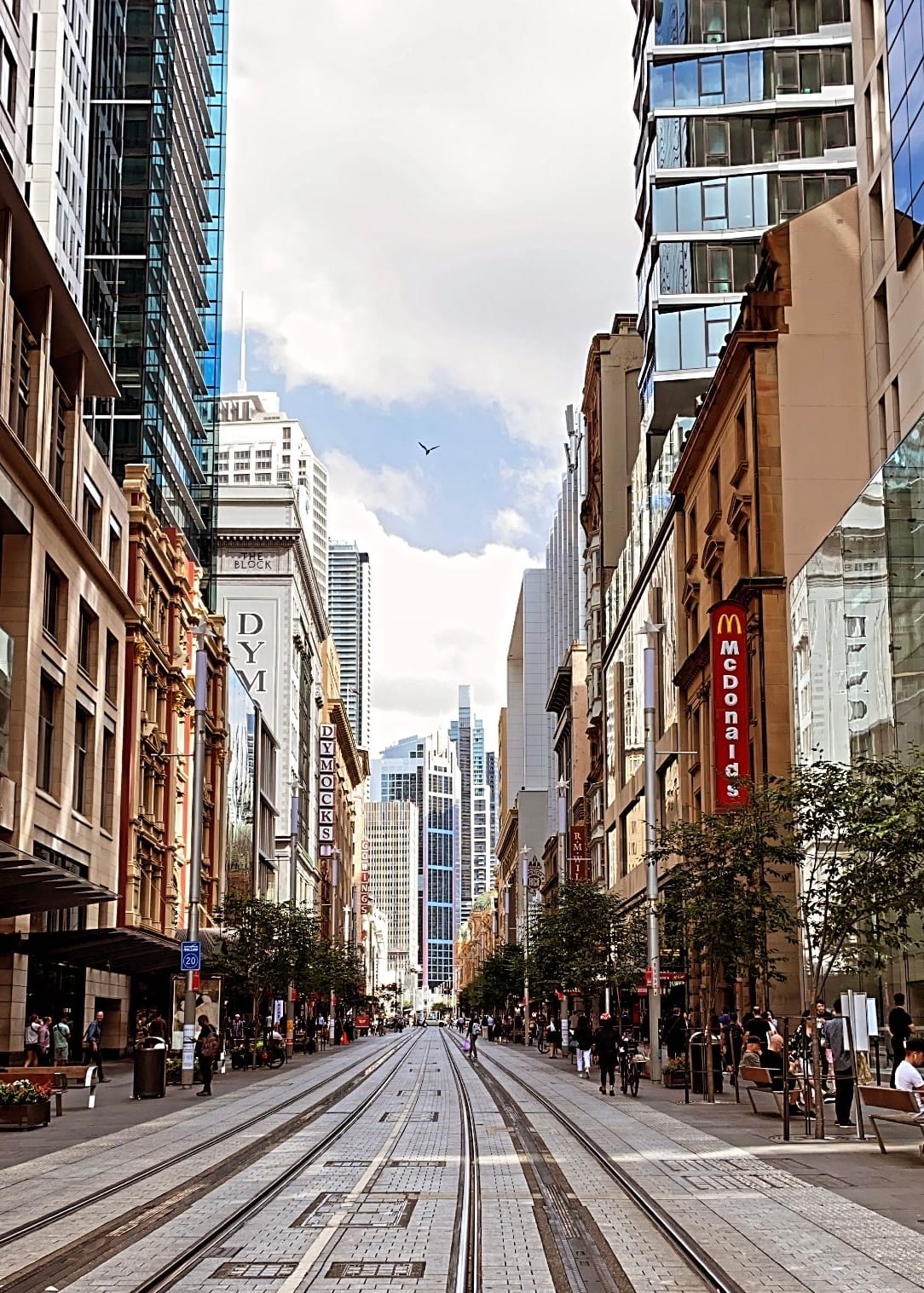
A couple of hours later, my sister and I left. We could have gone home, but it was still early and neither of us particularly wanted the day to end. We had a few errands we could run in the city and, without giving it too much thought, decided to catch the light rail in. Why not? There was no carefully constructed itinerary or somewhere important we needed to be. We simply decided that because we were already out, we might as well keep going and enjoy the day. Somewhere between celebrating someone else's new beginning and wandering around Sydney with no particular plan, my thoughts turned towards the many beginnings of my own.
I have changed careers. I have started businesses. I have pursued ideas that I was convinced would work and watched some of them fail. I have worked incredibly hard at things that ultimately did not become what I imagined they would. Each time something ended, I looked for practical explanations. Maybe the timing was wrong. Maybe I needed a better strategy. Maybe I should have persisted longer, or perhaps I should have recognised sooner that it was time to stop. There are probably elements of truth in all of those explanations, and I have certainly learned things from every experience. Lately, however, I have been considering a question that I did not ask often enough at the time: why did I want those things so badly in the first place?
Recently, I have returned to reading and studying the Bible. I am trying to understand my faith more deeply, but I am also trying to understand what that faith means for the way I actually live. It is one thing to say what you believe. It is another to allow those beliefs to influence how you make decisions, how you work, how you treat people, how you define success and how you use what you have been given. The more I have been studying, the more I have found myself looking backwards at certain decisions and questioning the foundations on which I made them.
When I started businesses in the past, my intentions were not bad. I genuinely wanted to create something good. I wanted to make people happy, have independence and build something that belonged to me. I enjoyed the creativity of bringing an idea into existence, and I was willing to work for it. But when I look at those ambitions now, with a little more distance and perhaps a little more honesty, I can see that something else was present too. I wanted to be successful because I wanted to be seen as successful. I wanted some of what I saw other people having. I wanted to prove that I could build something meaningful and that I was capable of making it work. Somewhere underneath all that ambition was the hope that achievement might validate something about me.
That is difficult to admit because ambition can look perfectly respectable from the outside. We celebrate hard work. We admire people who take risks. We praise entrepreneurship and independence. There is nothing inherently wrong with wanting to succeed, and I still want the things I create to succeed. The problem, I am discovering, is not necessarily the ambition itself. The question is what the ambition is built upon. Two people can pursue exactly the same goal for entirely different reasons, and the finished result tells us very little about the foundation underneath it.
I can see now that some of what I was building rested on comparison, approval and the desire to prove myself. Those are fragile foundations because they require other people to keep them standing. If I need success to tell me that I am worthy, then failure becomes much more than a business outcome. It becomes a judgement on who I am. If I need recognition to convince me that my work matters, then silence begins to feel like rejection. If I am creating a life because I want what somebody else has, I can spend years working towards something without ever stopping to ask whether I actually wanted that life at all.
This has also made me reconsider the way I think about failure. For a long time, I could look at a business that did not work and see primarily what went wrong. I now wonder whether some of those experiences were also revealing what had been underneath my ambitions all along. Failure has a way of removing the things we use to measure ourselves. The recognition disappears, the plans change and the future we had imagined no longer exists in quite the same way. What remains forces a more difficult question: if this thing cannot tell me who I am anymore, then what does?
For me, the answer I keep returning to is Jesus Christ. That is the foundation I am learning to build my life upon.
I know everyone reading this will not share my faith, and I do not expect you to. YOURS, CURATED is not intended to become a Christian publication. I want it to remain a place where people from different backgrounds, cultures, beliefs and experiences can discover people and ideas that make them think. At the same time, if I am going to write truthfully about my own life and what I am learning from it, I cannot remove Christ from the story simply because doing so might make the writing easier for everyone to consume. My faith is changing the way I understand my life, and therefore it inevitably changes the way I understand the things I create.
I believe I was given this life, and I believe I was created with certain gifts and inclinations. There are things I have always been drawn towards: creativity, ideas, people, storytelling, business, beauty, curiosity and the desire to discover something and share it with somebody else. That does not mean I arrived in the world already knowing how to use those things. I have worked for the skills I have. I have studied, practised, made mistakes, learned from experience and continued developing them over many years. The work still matters. What has changed is that I no longer believe I need to take complete ownership of those gifts as though I created every part of myself from nothing.
If I believe those gifts were given to me by God, then perhaps my responsibility is not simply to ask what they can get me. Perhaps my responsibility is to ask what I am going to do with them. That distinction has begun to change the way I think about purpose. Instead of asking how I can build a life that looks successful, I am trying to ask how I can use what I have been given well. The first question can leave me constantly looking sideways, measuring my progress against people who were never living my life to begin with. The second asks something more personal of me. It requires gratitude, responsibility and an honest examination of my motives.
Perhaps this is the conversation that needs to come before we tell people to take the risk. Before quitting the job, launching the business, announcing the new idea or deciding that the current version of life is no longer enough, it may be worth asking why. Why this? Why now? Why do I want it? Would I still want to create it if nobody was impressed by it? Would I continue if it took considerably longer than I expected? If somebody else achieved more with the same idea, would mine suddenly feel less valuable? If nobody ever described me as successful, would the work itself still mean something?
I do not think questions like these are designed to talk us out of ambition. I think they can help us understand our ambition before we allow it to direct our lives. Taking a risk is not automatically courageous simply because it involves uncertainty. Sometimes leaving requires courage and sometimes staying does. Sometimes beginning again is exactly what we need to do, while at other times the desire to reinvent ourselves can become a way of avoiding something we need to confront. Knowing the difference requires something deeper than motivation. It requires discernment.
This is something I am thinking about as I build YOURS, CURATED. Of course I want it to grow. I want people to read it. I want the people featured here to feel proud of being part of it. I would love to see it become a respected publication and, one day, to hold a physical edition in my hands filled with the stories and creative work of people we discovered along the way. I do not think I need to pretend that I have no ambition for it. What I want to change is the position that ambition occupies. I do not want success to be the foundation of this project. I want success, if it comes, to be something built upon a foundation that existed before anyone was watching.

That means allowing this to develop differently from things I have built before. I do not know exactly what YOURS, CURATED will become, and I am becoming increasingly comfortable admitting that. I have ideas, probably too many of them. I can imagine the stories, the people, the collaborations and the physical magazine that may eventually exist. But I have built things before while being so focused on what they could become that I failed to properly examine why I was building them. I do not want to repeat that pattern.
This time I want to remain curious. I want to meet people and discover what they are creating. I want to tell stories that deserve attention. I want to use the skills I have spent years developing and remain grateful for the abilities I believe God gave me in the first place. I also want to leave enough room for the possibility that what I think I am building today might lead somewhere I cannot currently see. For me, that is becoming part of what faith looks like in practice. It does not mean having no plan or sitting still and waiting for life to happen. It means working, making decisions, taking risks and moving forward while accepting that I do not control every outcome.
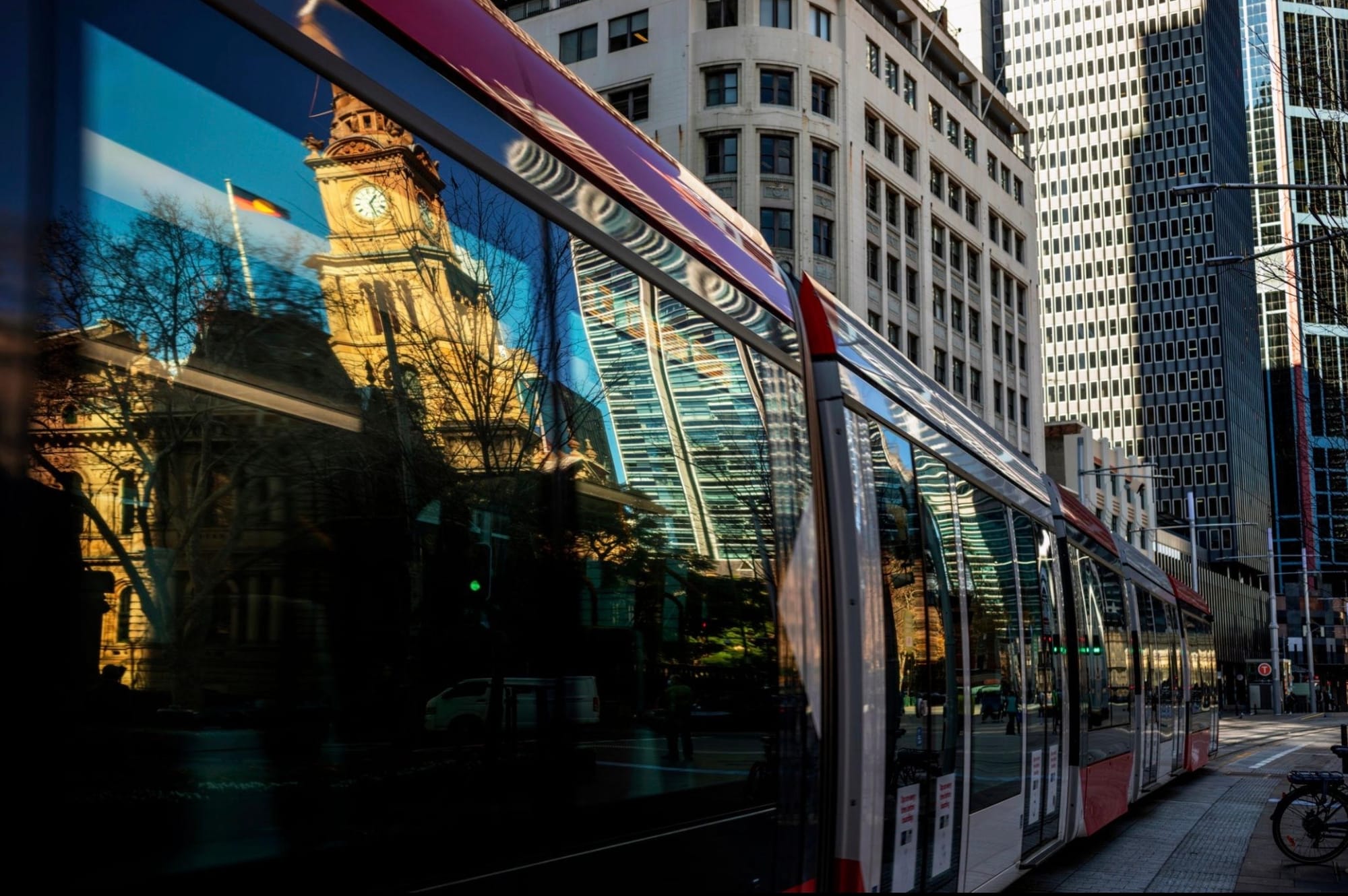
Perhaps that is why I keep thinking about something as ordinary as getting on the light rail with my sister on Sunday. We did not know exactly what we were going to do with the rest of the day. We simply knew that we were already out in the world and wanted to keep going. We went into the city, did the things we needed to do, walked around and spent time together. Nothing monumental happened, and maybe that is precisely why the memory has stayed with me. I have spent so much of my life focused on where things are going that I have sometimes forgotten to pay attention to where I already am.
There will always be another thing to build, another direction to consider and another version of ourselves that we imagine exists somewhere ahead. Ambition can keep us permanently focused on that future. Faith, at least as I am beginning to understand it, is teaching me to work towards what may come while remaining grounded in what has already been given to me. It allows me to want more without believing that more will finally tell me who I am.
I went to a business opening on Sunday thinking I was there to support my sister and a woman who had taken a chance on a new chapter of her life. I left thinking about my own. I thought about the businesses that worked and the ones that did not, the versions of success I once chased, the gifts I have spent years learning how to use and the faith I am now trying to place at the centre of what I do next.
Maybe we spend too much time asking people what they are building. We ask about the business, the career, the platform, the audience and the next goal. We want to know where it is going and how big it might become. I am becoming more interested in the question that comes before all of those things. What is underneath it? What remains when recognition disappears? What tells you who you are when something you built does not work? What keeps you grounded if it does?
For me, I am finding those answers in Jesus Christ. Your answer may be different, and perhaps you are still working out what it is. But before we rush towards the next thing we believe will change our lives, I think there is value in understanding the place from which we are starting.
Before asking what you want to build, perhaps ask yourself what you are building from.